


Glass Widgets
4.5402.00 Reviews
App Specs
- Version
- 1.3
- Updated On
- License
- $0.98
- Downloads
- 100,000+
- Developer
- AppsLab Co.
- Categories
- Personalization
- Platform
- Android, iOS
Screenshots
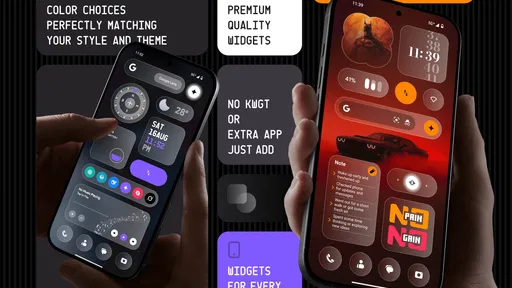
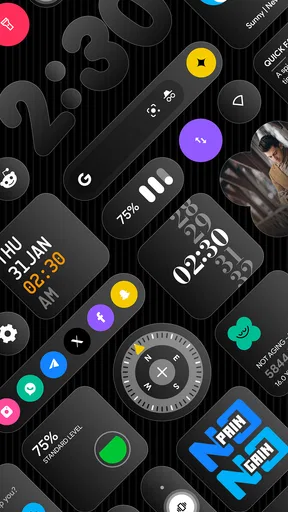
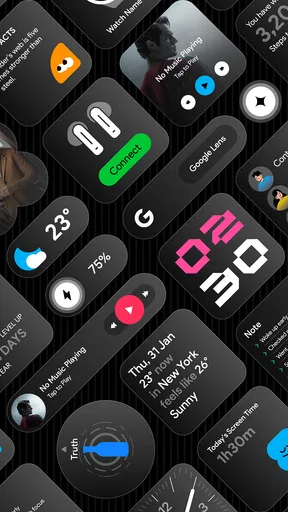
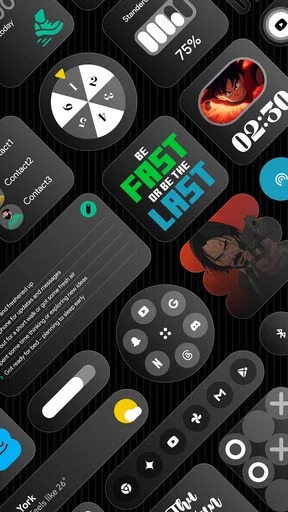
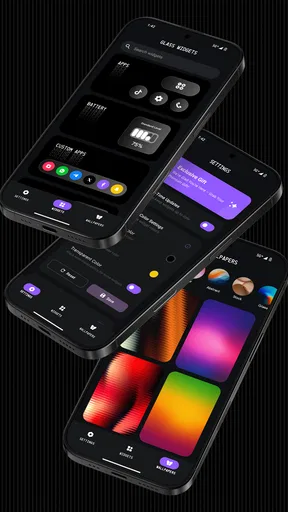
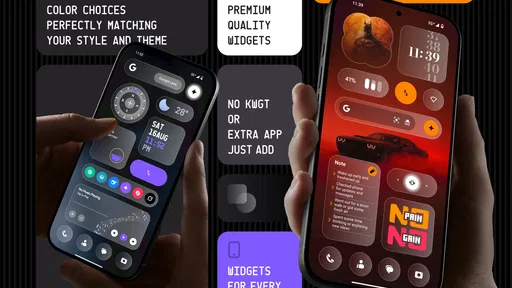
 Analysis by AppCompare
So, you've probably heard about Glass Widgets and you’re wondering if it’s worth the space on your device. Well, let me break it down for you. I've been tinkering around with this app for a bit now, and I'm here to share my personal take on it.
Why widget setup can feel fiddly
The main appeal here is also where a little patience helps: a widget has to look right in the space your home screen gives it. A translucent design can feel elegant over a calm wallpaper, but busy artwork, bright icons, or a crowded layout may make its contents harder to read. I’d choose the wallpaper and the widget together rather than treating the glass effect as a finish that automatically suits every screen.
There are more than 350 designs to explore, which gives you room to compare styles instead of settling for the first one that looks close. That choice can take time. I find it more useful to start with one everyday need, such as checking the time or seeing a calendar at a glance, then judge a few candidates at the actual size you plan to use. A preview that looks balanced on its own may feel cramped beside your icons.
A sensible setup before you customize
Before adjusting appearance, I’d check the basics: the device needs to meet the app’s minimum operating-system requirement, and you should have enough home-screen space for the size you want. The app is rated for Everyone, but the purchase decision is separate from that age rating: it costs $0.49, with in-app purchases ranging from $1.99 to $9.49 per item. I’d decide how much customization I actually want before buying optional extras rather than assuming every design choice is included.
Glass Widgets is a personalization app from AppsLab Co., currently at version 1.3. It has a 4.5 average from around 4,300 ratings, alongside roughly 290 written reviews, and has passed 50,000 installs. Those figures give a useful sense of its audience, but they don’t tell me whether a particular widget will suit your wallpaper or layout; trying one carefully is still the better test.
Once installed, add a single widget and check its appearance in its real place before building a whole screen around it. Keep enough contrast between the text and whatever sits behind it, and avoid shrinking a widget simply to squeeze in another icon if that makes the information difficult to read. This small trial-and-adjust approach is less frustrating than changing several parts of a home screen at once and then trying to work out which change caused the problem.
Recovering when a widget does not look right
If a widget appears too crowded, hard to read, or simply out of place, I’d first remove that instance and try a different size or design rather than rebuilding the entire screen. A glass finish depends heavily on what is behind it, so moving it over a quieter part of the wallpaper can help without changing the widget itself. If the issue is an awkward fit, check the available space around it before deciding the app has failed.
Worth Reading Before You Choose

Flipboard Shows What News Apps Must Do Beyond the Feed

Switching to Android Auto Means Rethinking Your Driving Routine

Google Calendar Makes a Crowded Week Easier to Manage

Ludo King Makes the Most of the Minutes Between Plans

Baby Panda World Brings Quick Play to Modern Phones, but Its Game Library Feels Busy

ESPN’s Live Game View Makes Following Close Games Easier
For information that seems stale or a tap that doesn’t behave as expected, I’d separate the widget’s appearance from the action it is meant to support. Check whether the underlying information is current in its relevant app, then try the widget again. If only one widget is affected, replacing that one is a more practical first step than resetting every personalization choice on the device.
When the trouble may be elsewhere
Widgets sit inside the phone’s own home-screen system, so the app is only one part of the experience. A launcher, wallpaper, screen layout, or the operating system’s available widget space can affect how a design appears. If a widget looks different after you change launchers or rearrange the screen, I’d check the same design in a simpler layout before judging its appearance. That helps distinguish a mismatch between the widget and its surroundings from a problem with the app itself.
There’s also a practical trade-off between decoration and glanceable information. A transparent look can keep a screen airy, but it may not be the best choice if you need to read details quickly in changing light or over a high-contrast image. For a screen used mostly outdoors or at a glance, I’d favor legibility over the most subtle appearance. If the default widgets on your device already show exactly what you need, a separate personalization app may add visual choice without adding much daily value.
Getting to Know Glass Widgets
First things first, what exactly are we dealing with here? Glass Widgets is essentially a collection of sleek, minimalistic widgets that you can customize to your heart's content. The app offers a variety of widgets like calendar, clock, weather, and more, all designed with a clean aesthetic that blends seamlessly with almost any home screen setup.
Installation and First Impressions
Installing the app is a breeze. Just a quick download from your app store, and you're ready to go. The interface is straightforward, which is always a plus in my book. It doesn’t overwhelm you with too many options right off the bat, so it’s pretty easy to navigate.
What struck me initially was how well these widgets look on my screen. They’re not just functional; they’re visually appealing. If you’re into a minimalist design, this app is right up your alley.
Customization Galore
Now, let’s talk about customization, because that’s where Glass Widgets really shines. You can tweak the size, color, and transparency of each widget to fit your personal style. Want a translucent clock that doesn’t interfere with your wallpaper? Done. Prefer a bold calendar to keep track of your events? Easy peasy.
The level of detail you can adjust is impressive. I spent a solid hour just playing around with different settings, trying to get the perfect look. And trust me, that hour flew by.
Performance and Usability
In terms of performance, I haven’t noticed any lag or drain on my battery, which is a big deal for any widget-heavy app. It runs smoothly in the background, updating information like weather and calendar events without a hitch.
Using the widgets is intuitive. You can tap on any widget to access more detailed information, which is handy if you want to check the weather forecast or dive into your calendar events directly from your home screen.
Compatibility and Integration
One of the cool things about Glass Widgets is its compatibility. Whether you’re on Android or iOS, you’ll find that it integrates well with both systems. It doesn’t mess with other apps or interfere with your phone’s performance, which is always a relief.
Plus, the widgets work well with most launchers. So, if you’re someone who likes to customize the entire look of your device, you won’t have any issues here. It’s all about making your phone work for you.
Choosing a workflow that stays useful
I’d treat the collection as a set of small tools, not a reason to fill every available space. A restrained setup might put one clock where your thumb naturally pauses and a calendar widget on a second screen you check before leaving home. That keeps the glass styling visible while making each placement earn its space. If a widget rarely changes what you do, it may be better as a visual accent—or left off the screen.
A realistic routine is to glance at the time and day’s schedule while getting ready, then use the calendar itself when you need details. The home screen is best for quick awareness; it is not necessarily a replacement for the full app behind the information. I’d use the widget to decide whether I need to open that app, not expect a compact panel to handle every planning task.
Compared with relying only on built-in widgets, this app’s strength is the coordinated glass aesthetic and the wider range of designs. The built-in option is often the simpler choice if you only need a basic clock or calendar and prefer not to pay for another personalization tool. A full launcher or theme can change more of the phone’s appearance, but that is more commitment than most people need just to refine a few home-screen panels. Glass Widgets makes most sense in the middle: focused visual customization without requiring a complete redesign.
Who will appreciate it—and who may not
I’d recommend it to someone who already enjoys arranging wallpapers, icons, and widgets, especially if a clean, translucent look is part of the plan. It can also suit a person who wants a calendar or clock to feel like part of a carefully composed screen rather than a separate block pasted on top. The strongest result comes from being willing to test placement and contrast, not from adding the greatest number of widgets.
I’d skip it if you want a no-effort setup, dislike tuning visual details, or are perfectly happy with your phone’s standard widgets. It is also a weaker fit if you prioritize maximum readability over appearance, or if the available widget space on your chosen layout is tight. In those cases, a plain built-in widget may be more dependable for your needs, even if it offers fewer styling choices.
What to consider before spending
The initial cost is modest, but optional in-app purchases mean the total can rise if you decide to buy more. I’d start with the designs and controls available after installing it, then make a separate decision about whether an extra item solves a real need. That avoids paying for variety you may enjoy browsing but never place on your screen. The app’s 4.5 average suggests many users are satisfied, yet personal taste matters especially much with a product whose value is visible every time you unlock your phone.
One useful test is to live with a single widget for a few ordinary days before changing several screens. Notice whether you actually glance at it, whether the text stays readable against your wallpaper, and whether its size makes the layout feel more organized or more crowded. That is a better measure of value than how polished a design looks in isolation.
Final Thoughts
All in all, I’d say Glass Widgets is a solid choice for anyone looking to spruce up their home screen with some stylish, functional widgets. It’s user-friendly, highly customizable, and performs well without eating up your battery life. If you’re a fan of clean designs and want your phone to reflect that, this app is definitely worth a shot.
So there you have it, my two cents on Glass Widgets. If you’re curious and want to try it out yourself, go ahead and download it. You might just find it’s exactly what your home screen’s been missing!
Pros
- Highly customizable widgets for personalization.
- Smooth integration with home screen layouts.
- Minimalistic design enhances aesthetic appeal.
- Real-time updates for weather and news widgets.
- Supports multiple widget sizes and styles.
Cons
- Limited free features; most are premium.
- Occasional lag on older devices.
- Lacks built-in tutorial for new users.
- Battery consumption can be high.
- Weather data requires constant internet.
FAQs for Glass Widgets
What is Glass Widgets, and what features does it offer?
Glass Widgets is a customizable widget application that provides users with sleek, transparent widgets for their home screens. It offers clock, weather, and calendar widgets, all of which can be customized in terms of size, transparency, and color. These widgets are designed to seamlessly blend with any wallpaper, creating a minimalist and elegant look.
Is Glass Widgets compatible with all Android devices?
Glass Widgets is compatible with most Android devices running version 4.0 and above. However, for optimal performance, it's recommended to use it on devices with updated operating systems. Users should check the app store listing for specific compatibility information related to their device model and Android version.
Does Glass Widgets require any special permissions on my device?
Yes, Glass Widgets requires certain permissions to function properly. These may include access to your location for weather updates, calendar access to display upcoming events, and network access to fetch data. It's important to review these permissions during installation to ensure you're comfortable with the access the app requires.
Can I customize the appearance of the widgets in Glass Widgets?
Absolutely! Glass Widgets allows users a high degree of customization. You can adjust the transparency, size, color, and font of each widget to match your personal style or home screen theme. This flexibility makes it easy to create a unique and personalized user interface.
Are there any in-app purchases or subscriptions in Glass Widgets?
While Glass Widgets offers a free version with basic features, there may be in-app purchases available for users who want to unlock additional customization options or remove ads. This allows users to enhance their experience according to their preferences and needs.


